



Diving deep into the mire-mosquito-myth
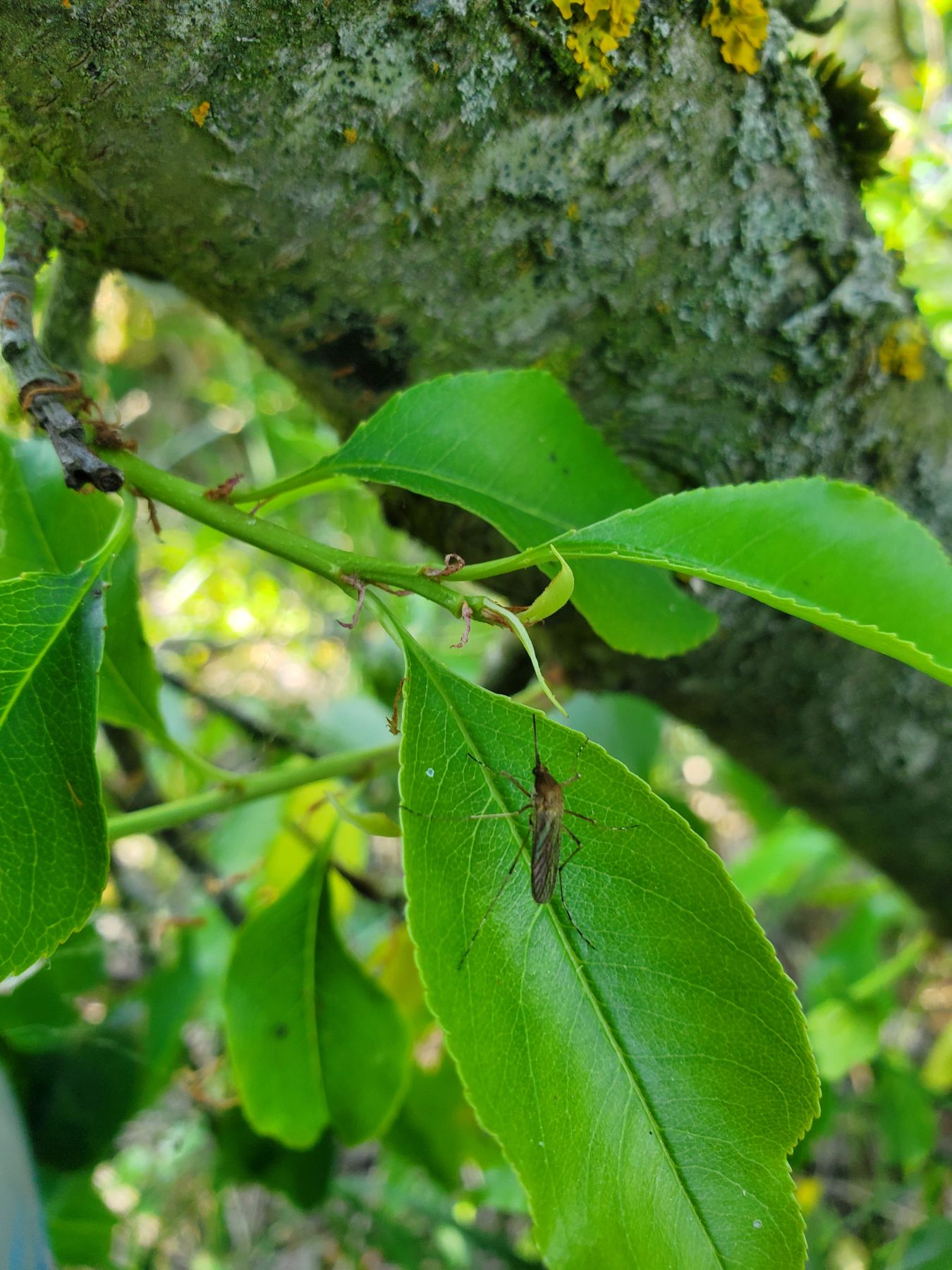
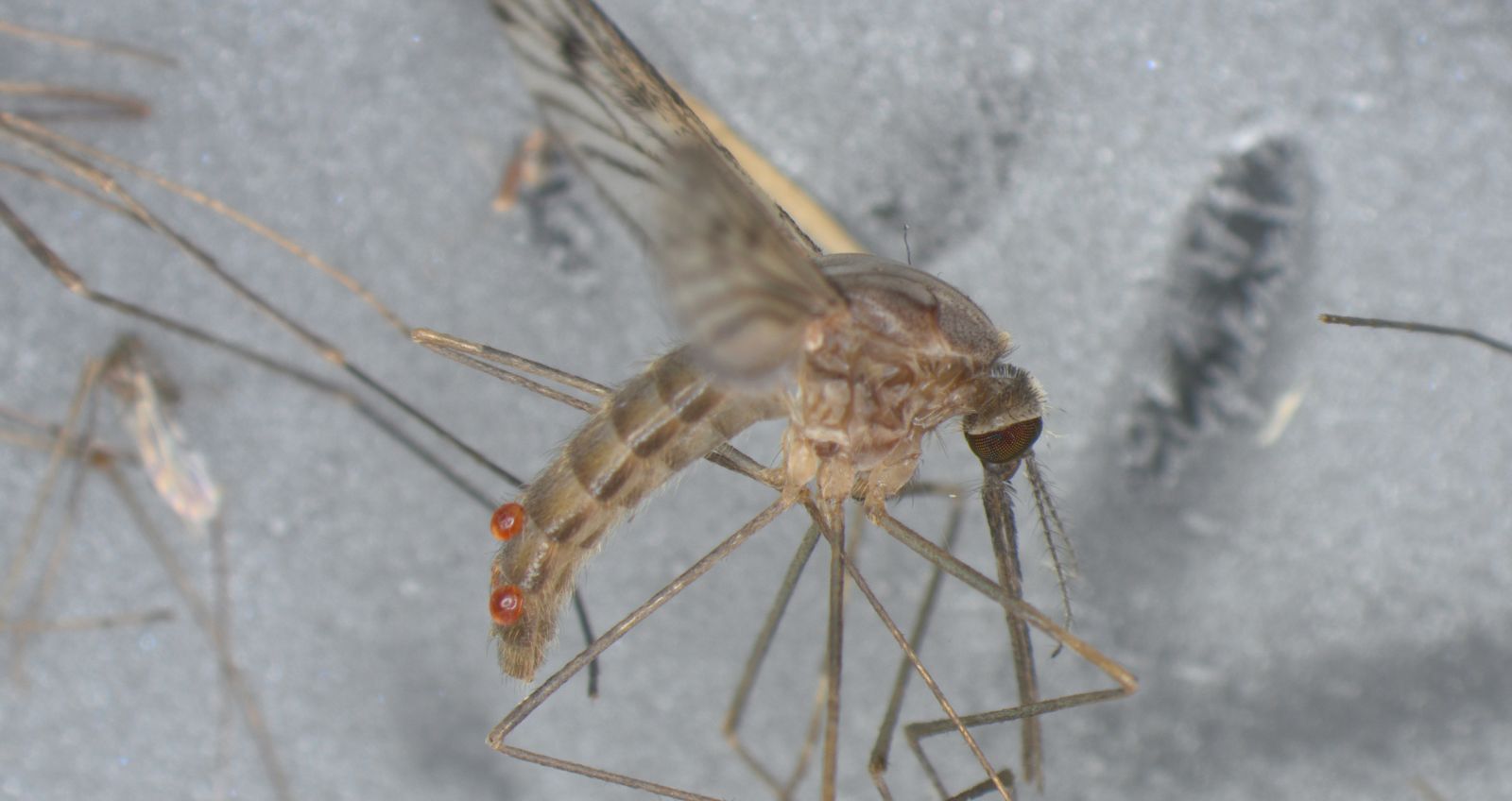
Patrick Gutjahr has spent three years studying mosquitoes (Diptera: Culicidae) in the Lower Peene Valley as part of the CuliMoor project, focusing on near-natural, drained and rewetted areas, as well as neighbouring settlements. There is not yet much data available on this subject. However, such data is vital for restoring these ecosystems, whilst protecting the health of humans and animals as well as dispelling myths.
Mr Gutjahr, what would be the best-case and worst-case scenarios for a mosquito monitoring in a rewetted peatland?
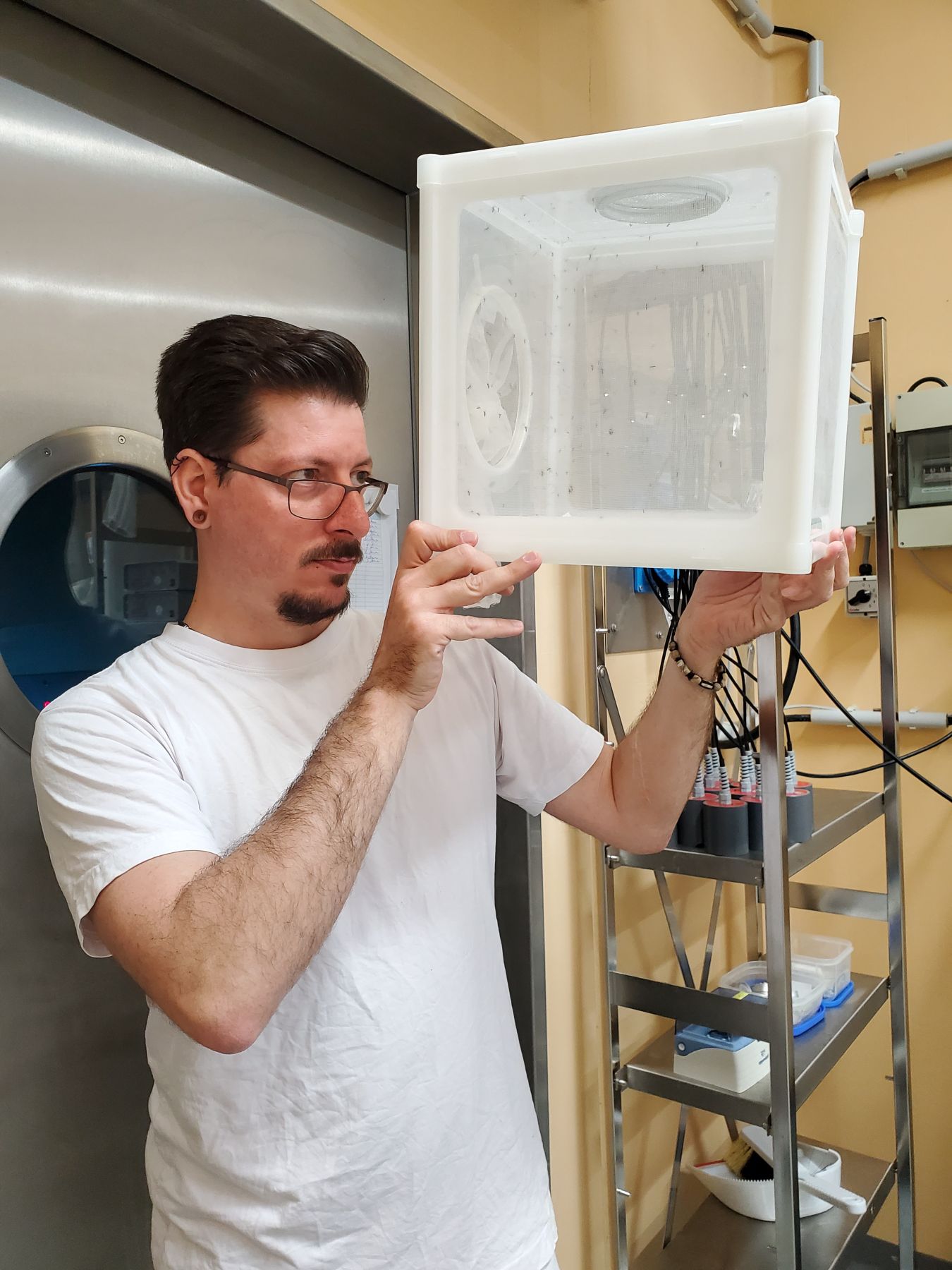
The best-case scenario would be a highly diverse mosquito population with high ecosystem value, where the mosquitoes remain within a small radius of their breeding sites and do not carry pathogens. The worst-case scenario, by contrast, would be a large number of individuals from a few mosquito species that breed in the peatland but fly far into surrounding settlements in search of hosts and carry pathogens. I deliberately say ‘carry’, not ‘transmit’, because whether a mosquito can not only pick up a pathogen but also pass it on depends on a many factors. Most importantly: not every mosquito is a vector, i.e. a transmitter, of pathogens, and not every vector can transmit every pathogen. It depends on the specific combination. We then speak of the vector competence of a mosquito species with regard to a specific pathogen. Unfortunately, however, such studies do not yet exist for many of our native species, or at least not for all potentially circulating pathogens. This requires complex laboratory tests, which we are unable to carry out within the scope of our project.
And what did you find out about your study area?
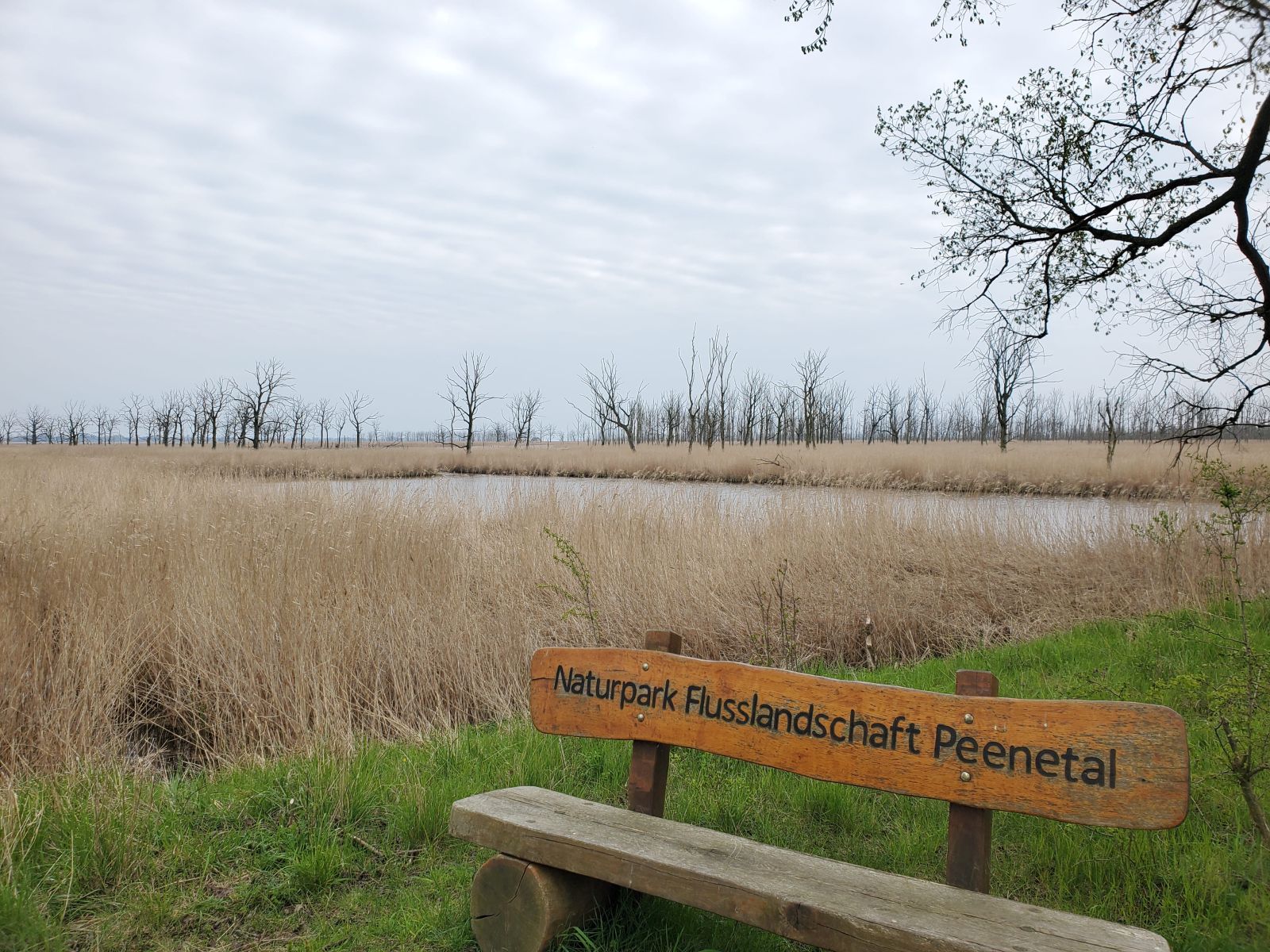
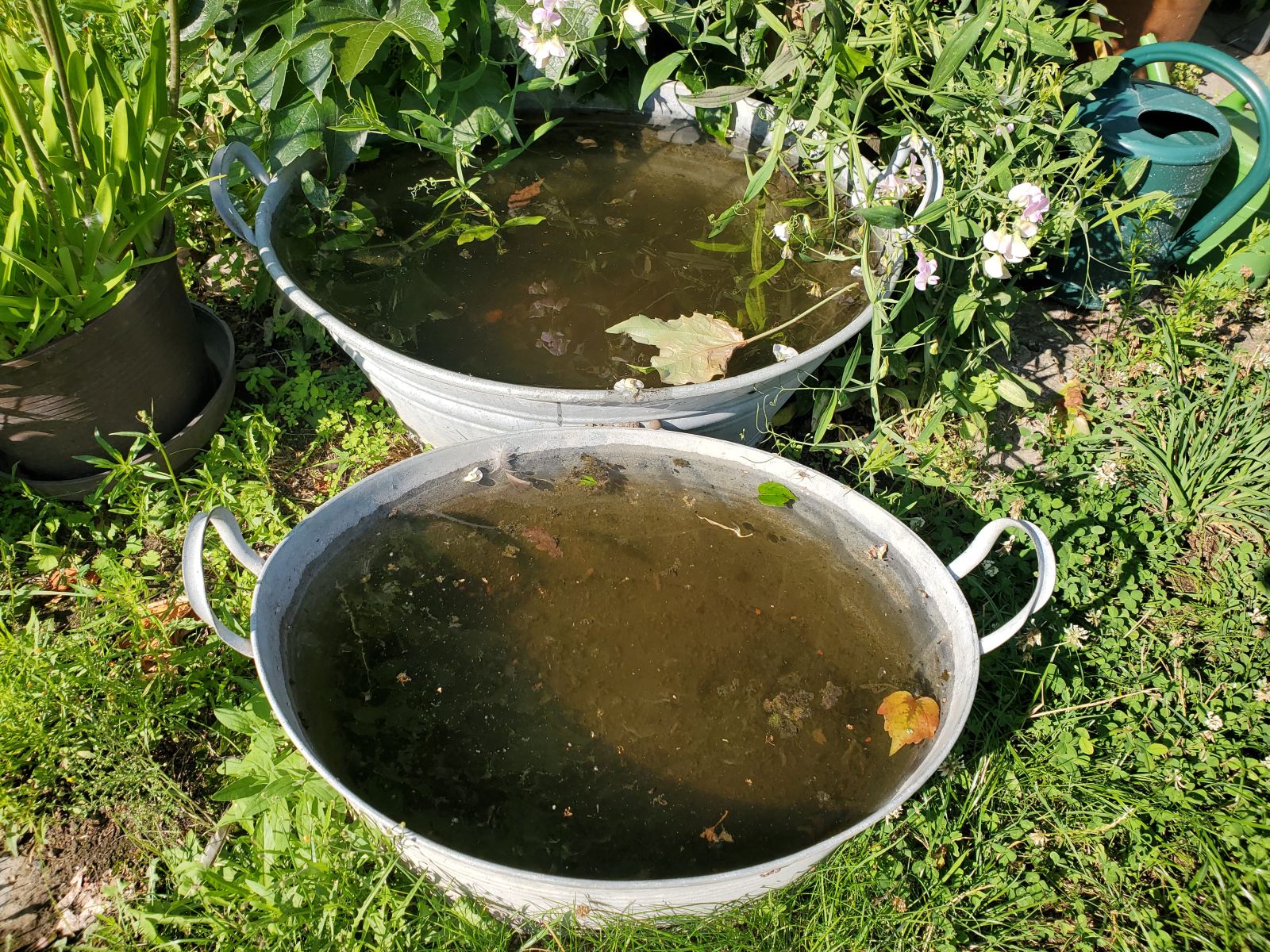
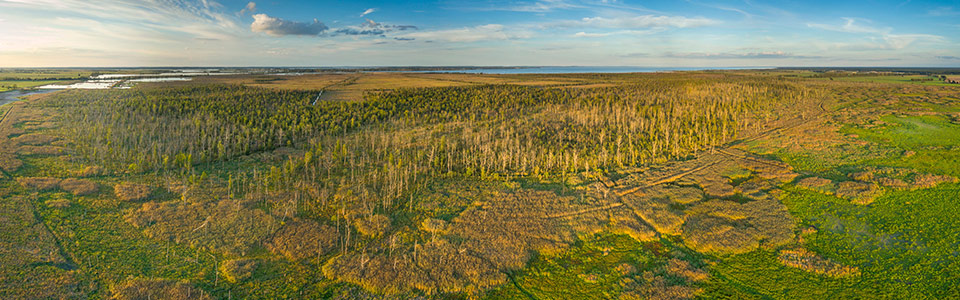
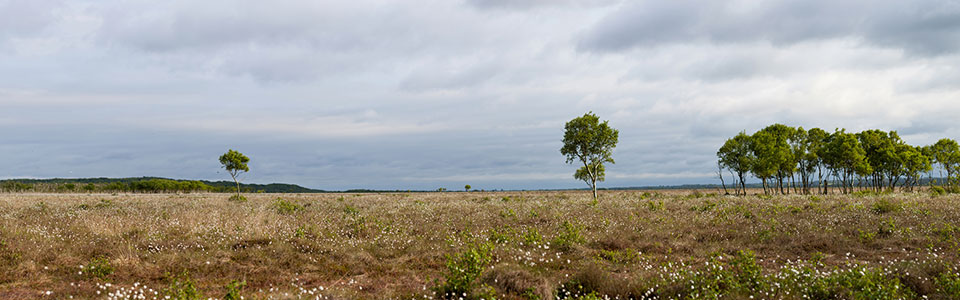
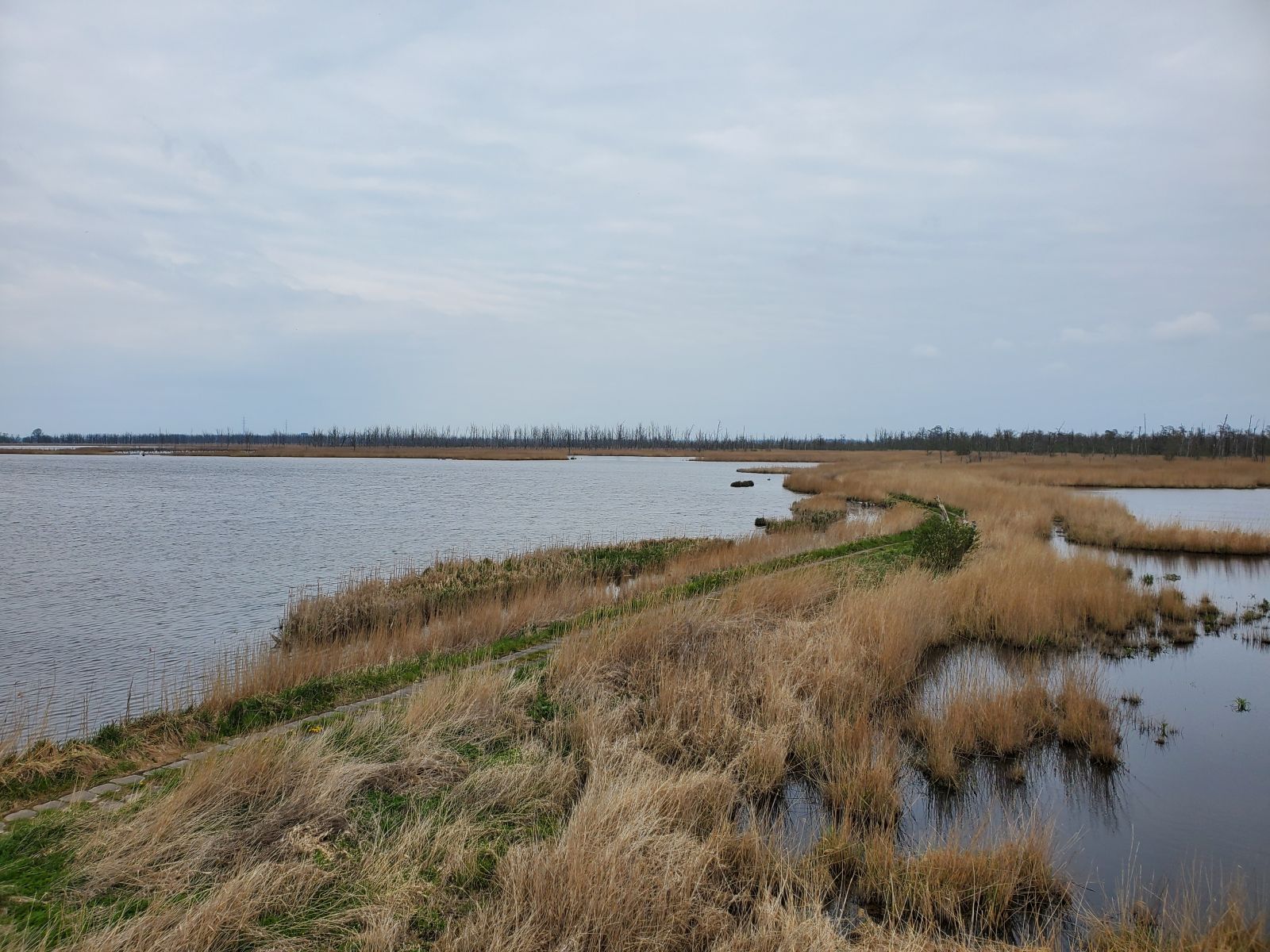
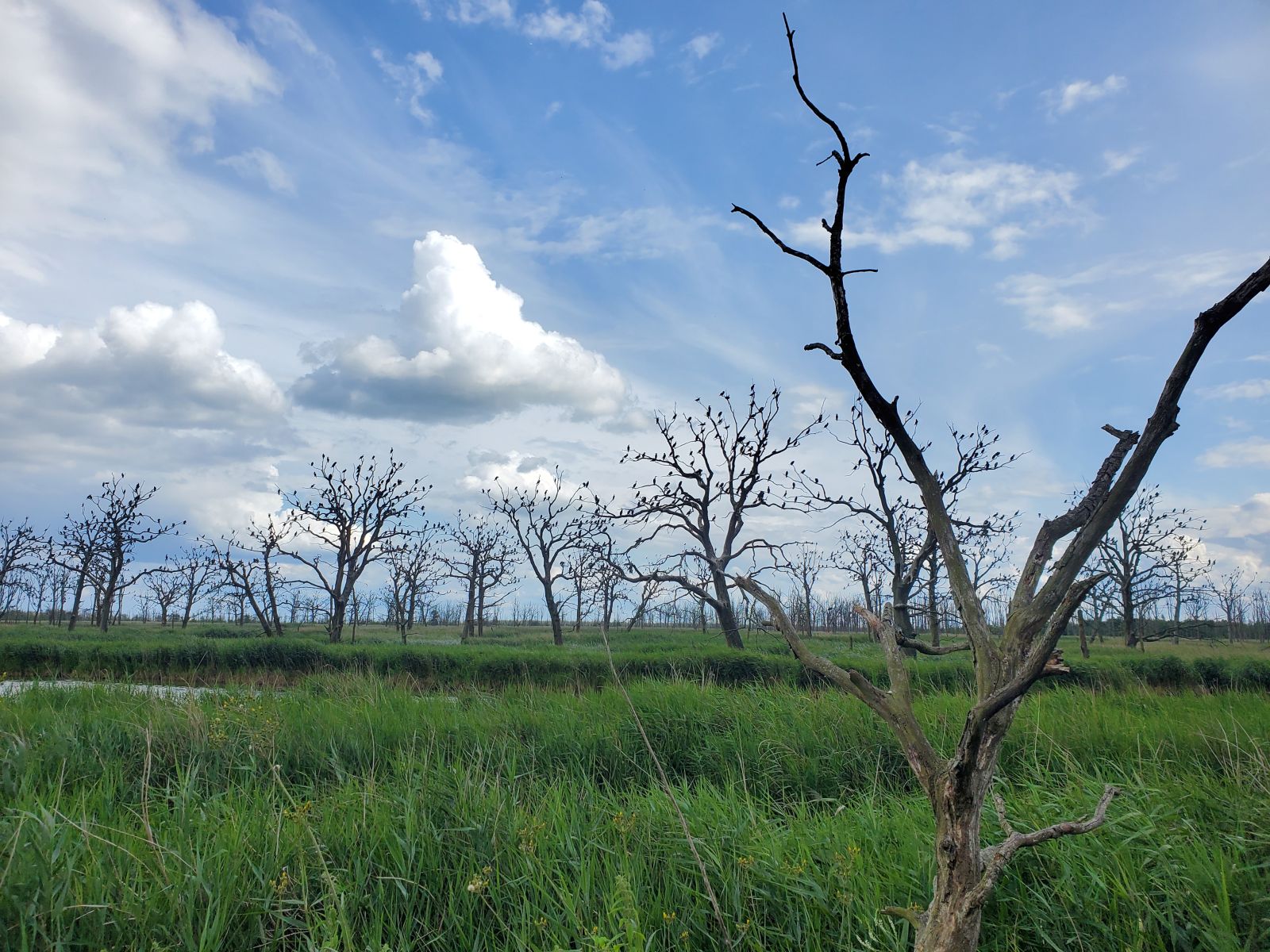
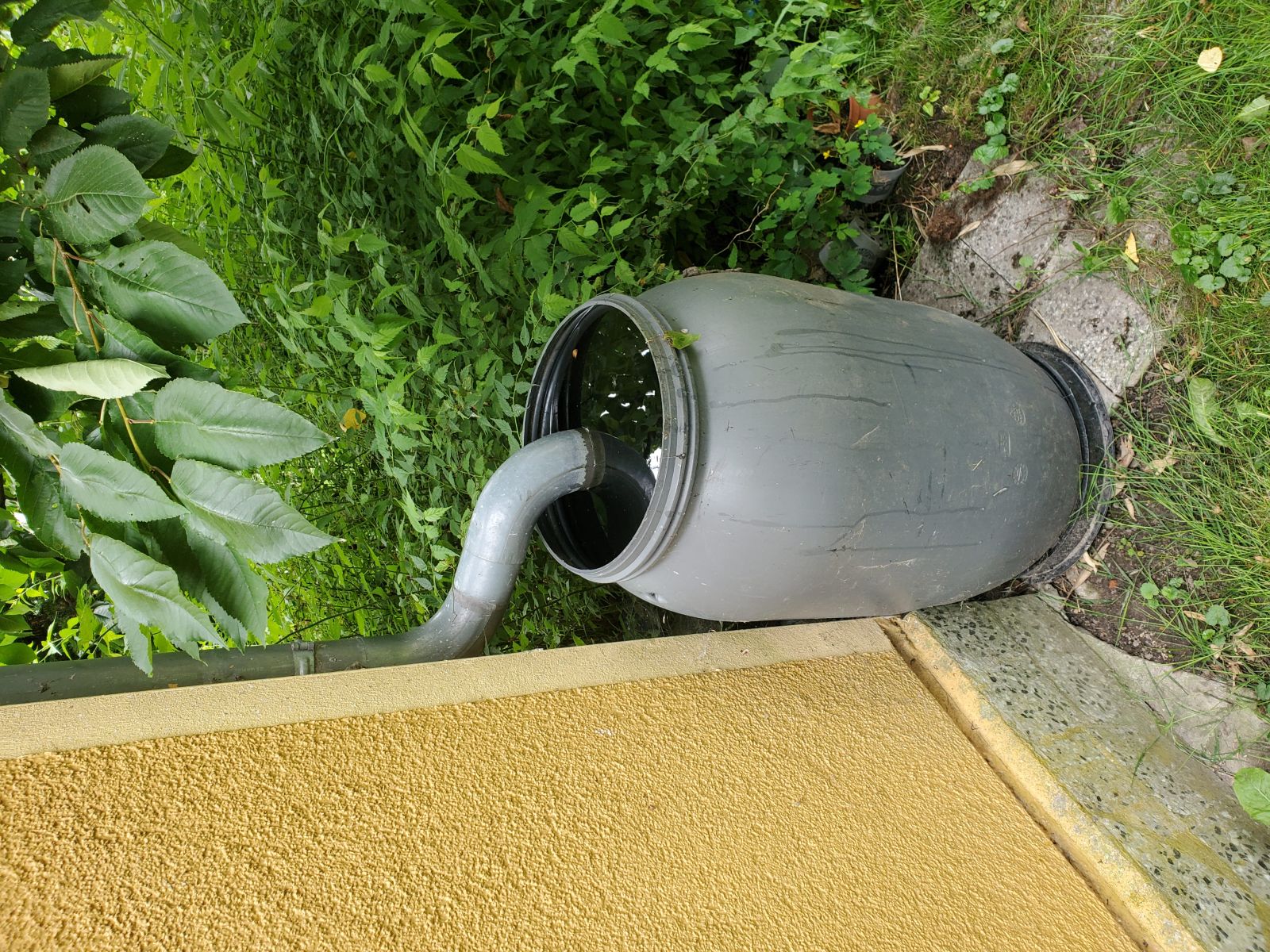
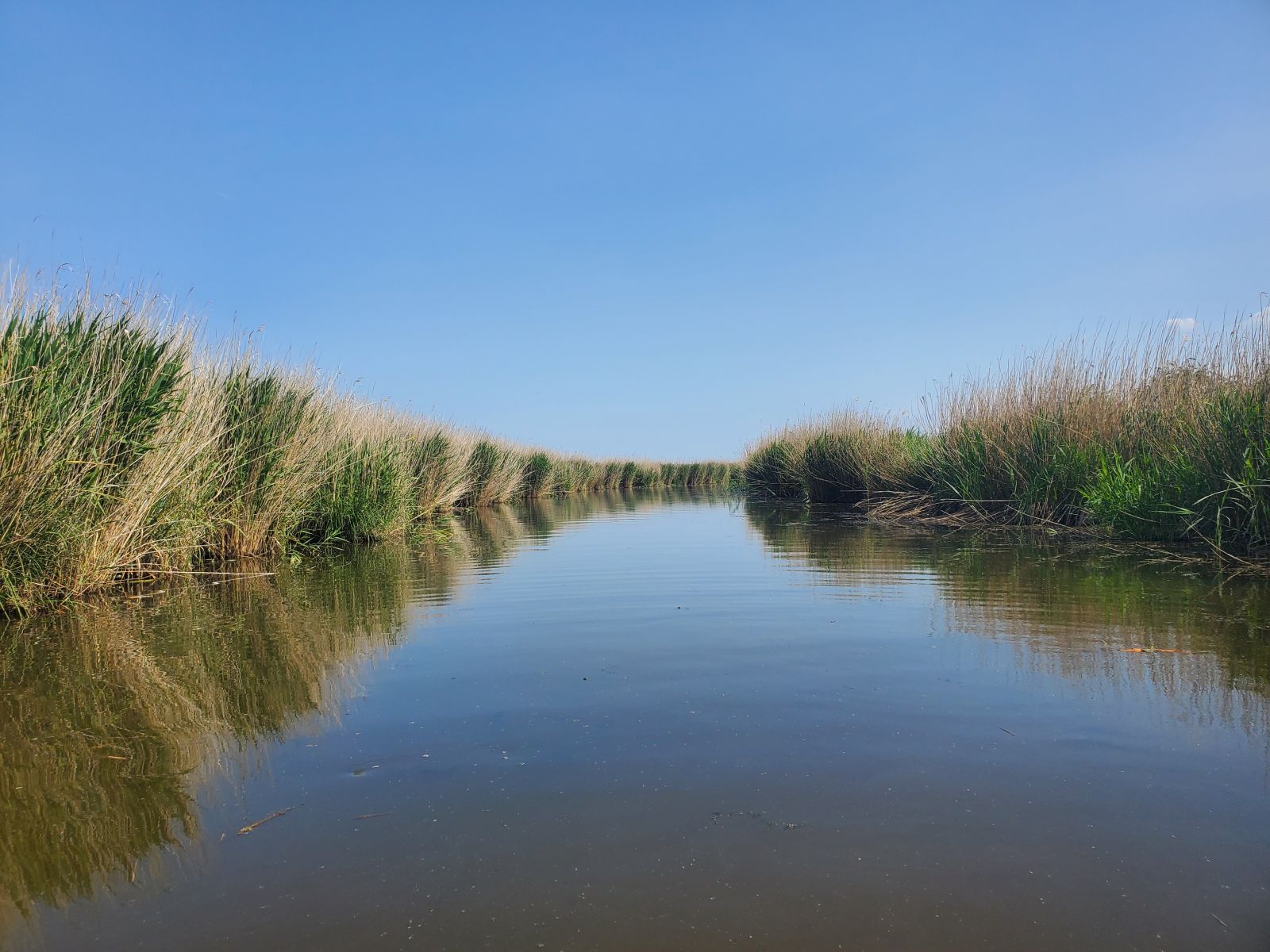
Our study area covered ‘only’ around 4,000 hectares – east of Anklam to Anklamer Stadtbruch, as well as the Bargischow North, South and Schanzenberg polders. A rather small area for monitoring, but we can now classify the species communities of mosquitoes according to wet, dry and settlement areas. The wet areas in the Peenetalmoor are characterised by species communities that tend to lay their eggs on areas with dense vegetation. In built-up areas, one tends to find species that lay their eggs in stagnant, more permanent bodies of water, such as rainwater barrels. Although we found more individuals of some species in the wet areas and a total of almost 30 different species – which is a lot for such a relatively small area – there was no increased prevalence of pathogens, and therefore no increased risk of infection compared to what would be expected in the surrounding area. We also investigated the abiotic conditions for the mosquitoes in their respective habitats, such as humidity or the size of the water surface. These conditions could then serve as potential levers for managing the populations. However, species with different breeding strategies also appear to show little tendency to leave their preferred breeding sites, even though some can cover long distances, in some cases between 10 and 20 km. Overall, this is good news for local residents for the time being. So there is no need for them to worry.
Why are these findings important?
Experience shows that there are many mosquitoes in peatlands, and also many myths about the dangers they pose to humans and animals. But there is very little research data on this. The spread of pathogens and their vectors in peatlands is a blank spot; no one has really looked into it yet. It is not the number of mosquitoes in a peatland that matters. What is crucial for assessing the risk of infection from rewetting is which hosts they prefere for their blood meal, which pathogens they may carry, and whether and how they come into contact with humans and (domestic) animals. The CuliMoor project has now provided us with our first complete dataset, involving collaboration across the disciplines of landscape ecology, vector ecology, virology and epidemiology. This helps to ensure certainty and transparency, as many people are interested and concerned. However, it remains important to avoid generalisations.
What exactly does that mean?
There are hardly any mosquito species in Germany that can be specifically characterised as ‘peatland mosquitoes’. There are distinct species communities. We assume that these communities are linked to the type of peatland and its usage. However, following our pilot study, we cannot say this with certainty yet. It is very important to know exactly which species we are dealing with. This is illustrated, for example, by the West Nile virus (WNV), which has been established in Germany since 2018 and is now frequently found, particularly in the new federal states and the Berlin metropolitan area. The pathogen can cause West Nile fever in humans, an infection that usually presents with flu-like symptoms. It is primarily transmitted by the common house mosquito (Culex pipiens s.l.). This is a species of mosquito that is particularly prevalent in built-up areas. As this species is also found in wet peatlands, albeit usually in significantly lower numbers than in built-up areas, a changed risk of infection can therefore be assumed in relation to this pathogen. The simplistic assumption that ‘more wet peatlands -> more mosquitoes -> higher risk of infection’ is therefore probably too narrow. Nor should we forget that mosquitoes also play an important role in many ecosystems as prey or, in some cases, even as pollinators.
How does this monitoring work in practice?
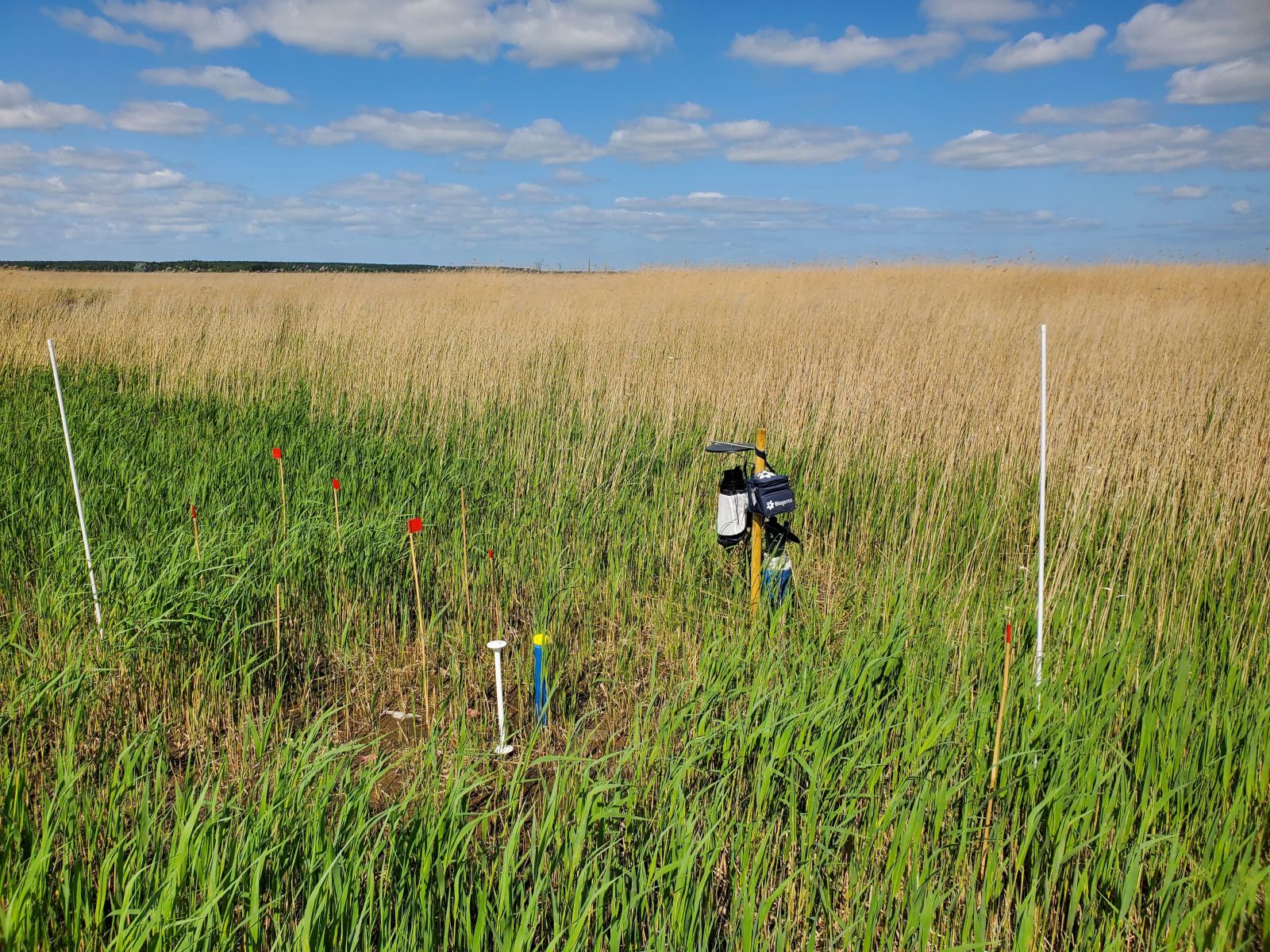
In our study, we set up traps ‘in the field’. From April to November, these were switched on for 24 hours every two weeks.
And how do the traps work?
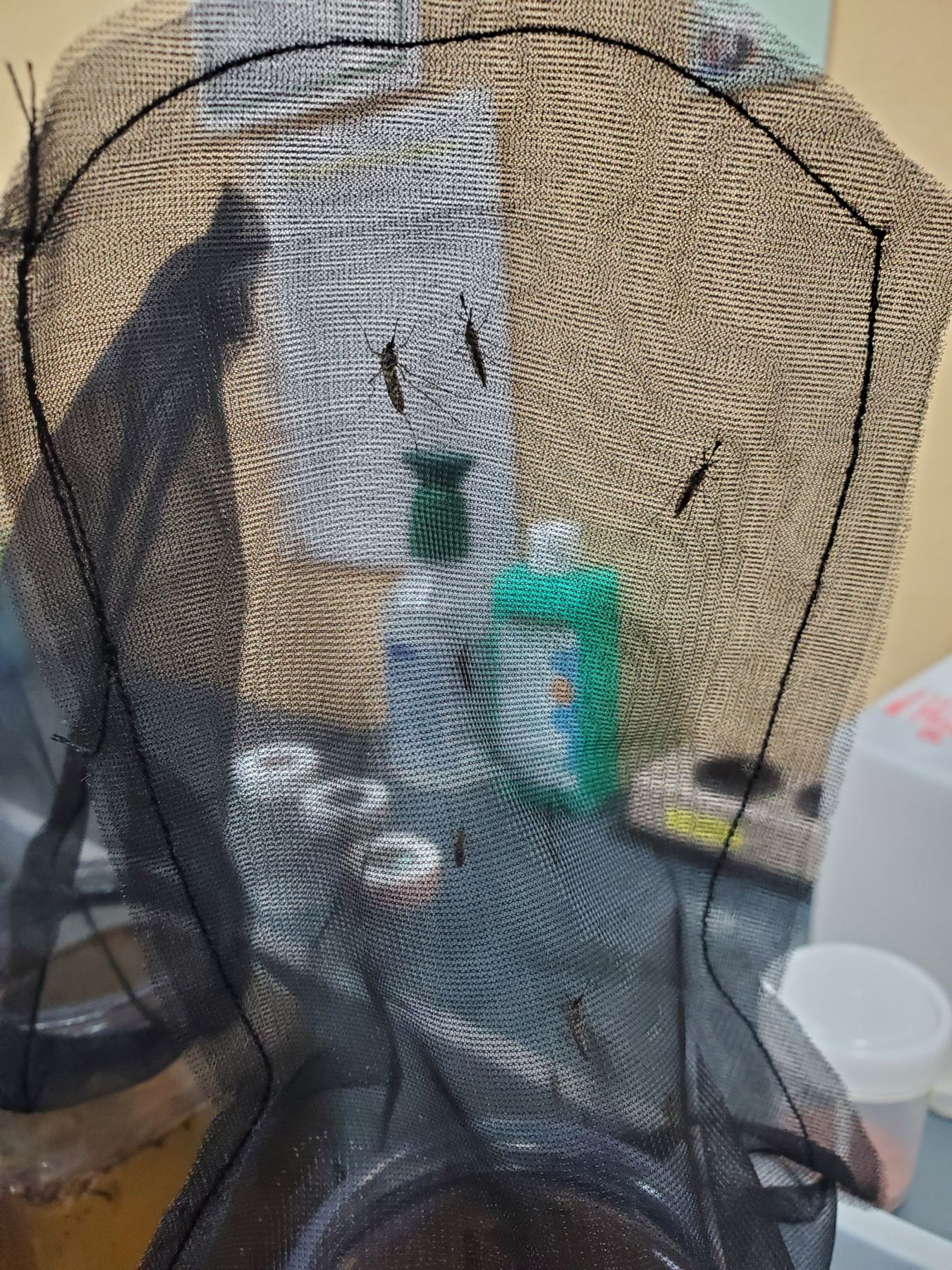
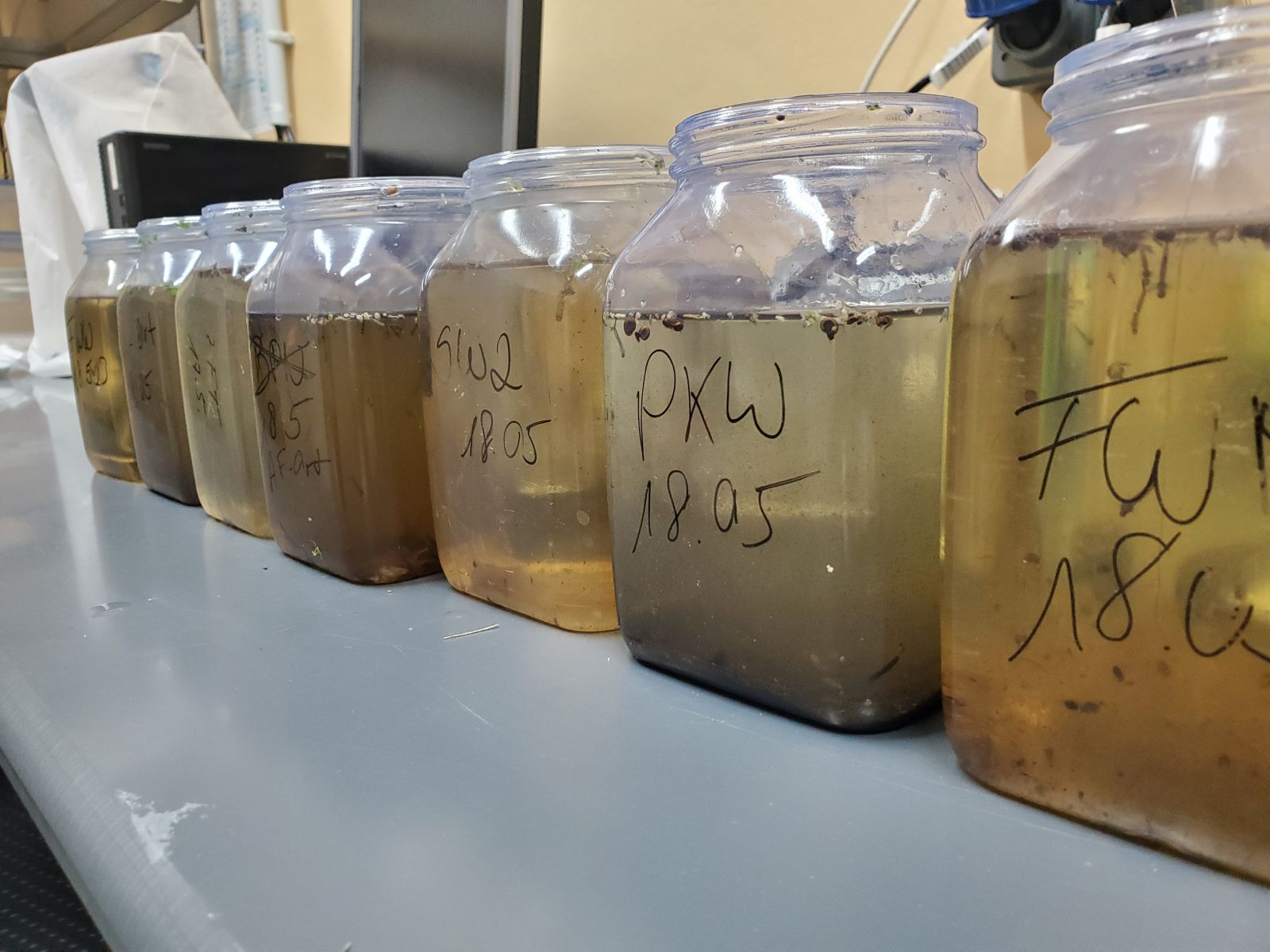
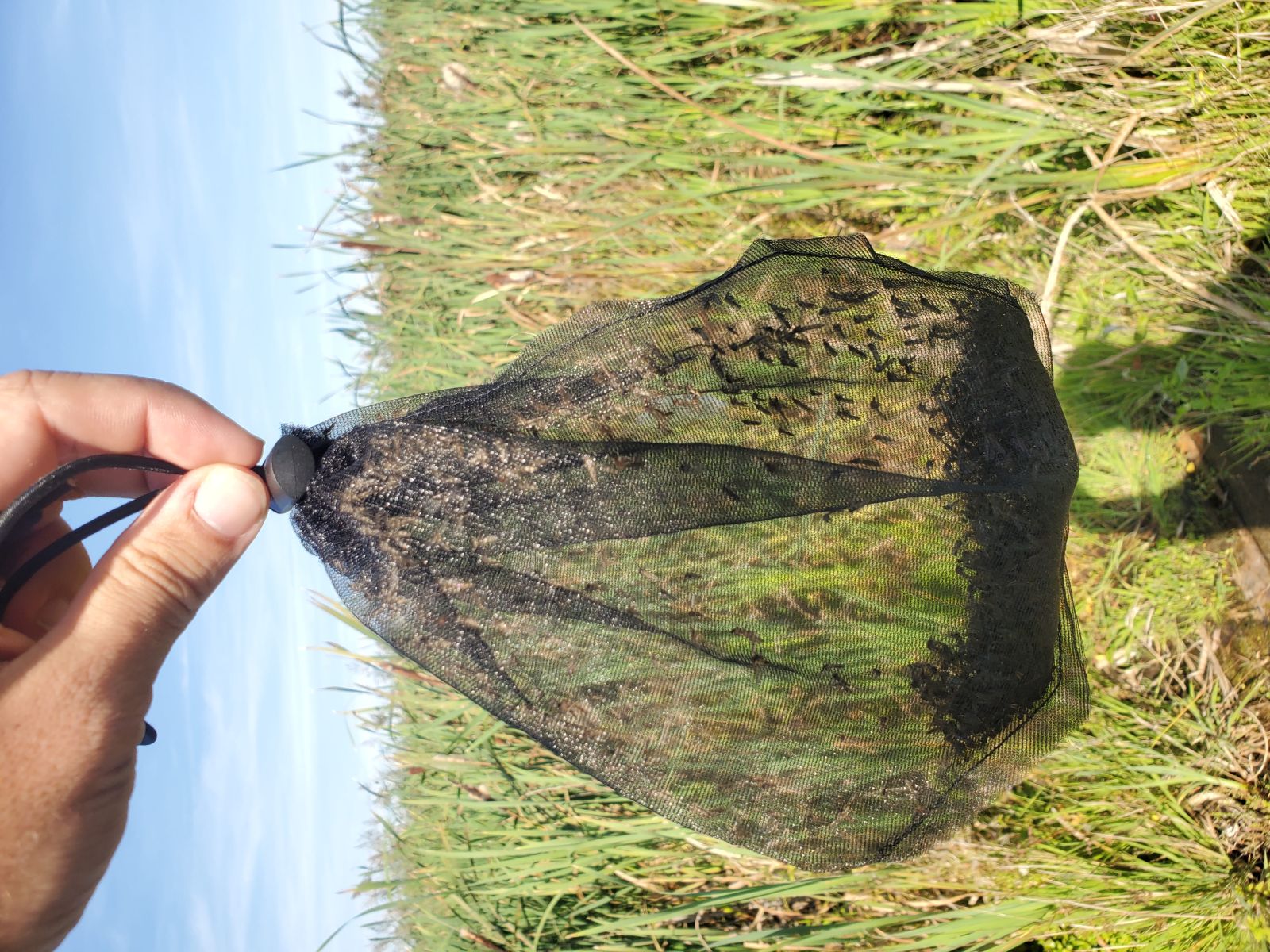
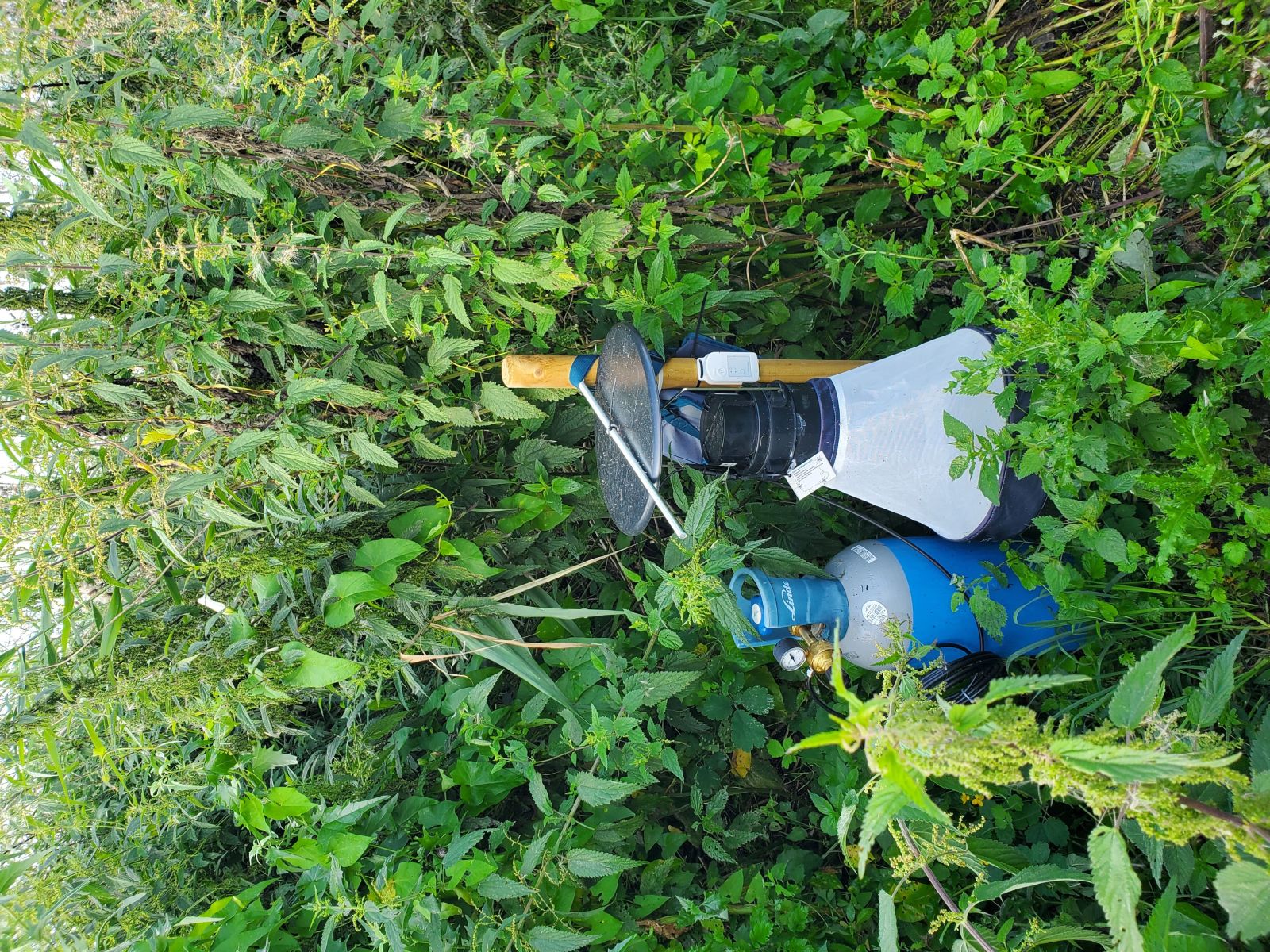
They are active scent traps. They mimic the breathing and body odour of mammals and attract female mosquitoes after they have mated. Only the fertilised females are blood-feeding; otherwise, mosquitoes are vegetarians. A small fan creates a suction effect, drawing the mosquitoes into a net where they are held until we collect the sample the next day and take it back to the laboratory. To supplement this, we have taken samples from breeding waters. This allows us to determine whether the insects caught in the traps also breed in the peatland – and perhaps even more so there than elsewhere. Furthermore, there are species that respond poorly or not at all to the traps, because the traps mimic mammals and some mosquito species prefer birds, amphibians or reptiles. This gives us an indication of the distance between the breeding sites and the trap catches – which can be quite crucial.
Then the work continues in the laboratory?
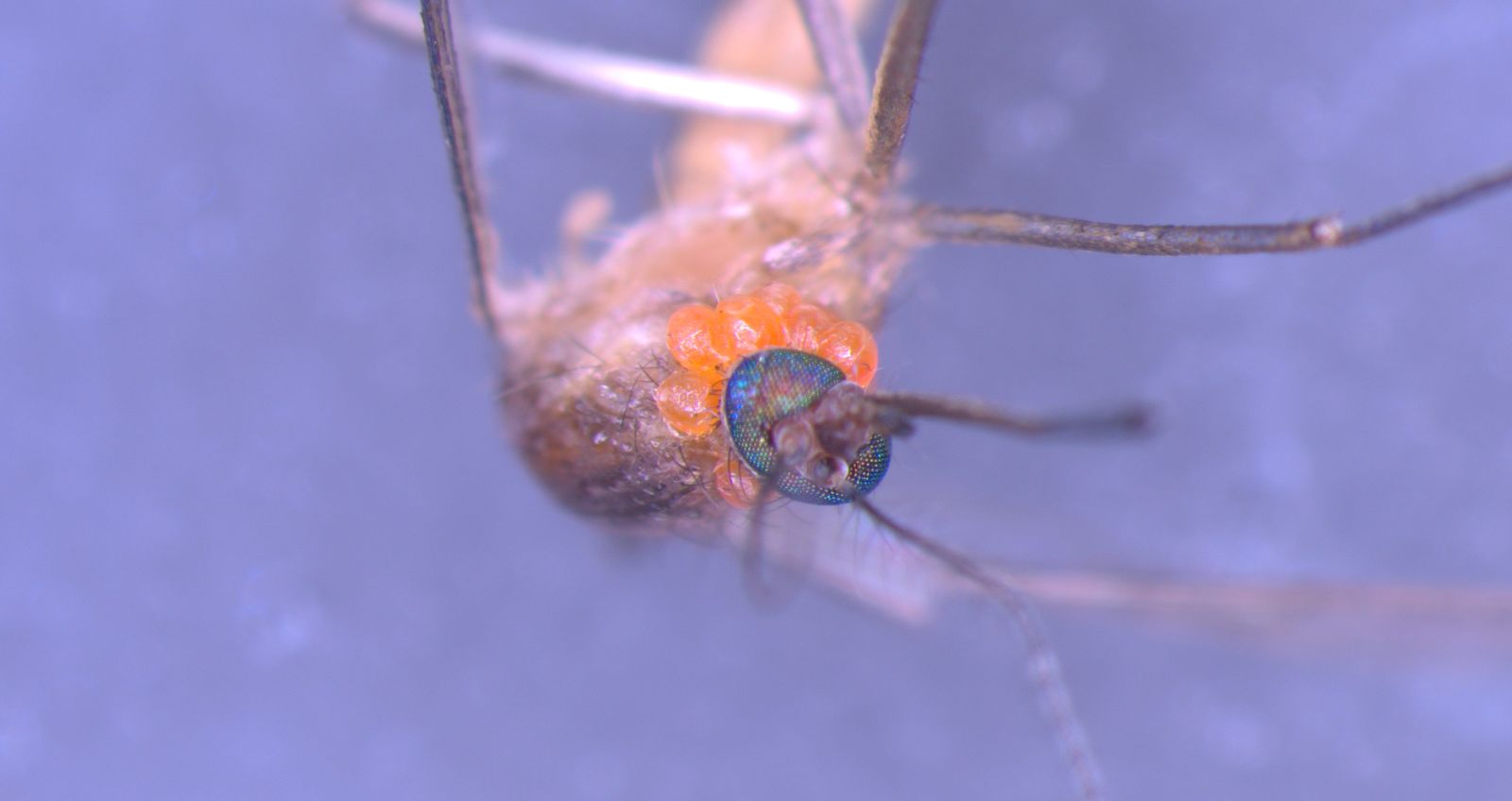
There, we identify the species and their abundance based on external characteristics and through genetic analysis. We test the most common species and blood-fed insects for viruses and parasites and can determine the blood host. However, we rarely find mosquitoes with a ‘full stomach’, as they retreat for two to three days to digest their meal before laying eggs and no longer respond to the traps.
What happens to the research findings?
Fortunately, rewetting projects are becoming more common, and our findings should be incorporated into these to dispel the main concern – namely ‘malaria scare’ – amongst local residents and to educate them about the ecology and epidemiology of the area based on sound research findings. Our findings are also transferable, primarily to fen peatlands in the southern Baltic Sea region or to areas with comparable water level fluctuations. Under certain circumstances, these may include the fringe areas of floodplains or lakes.
The interview was conducted by Nina Körner.
The project CuliMoor – Evaluation of the mosquito fauna (Diptera: Culcidae) in the context of the rewetting of peatlands with regard to the occurrence of zoonoses, conducted by the Friedrich Loeffler Institute and the Greifswald Mire Centre – identified, between 2023 to 2026, just under 140,000 mosquitoes from nearly 30 species and five genera in near-natural, drained and rewetted areas and adjacent settlement areas, in order to assess the risks they may pose to humans and animals in these areas.